
Behind a Round Screen: Two‑Plus Years of Product Development
This round screen hardware project was in development for more than two years. We iterated extensively on custom circuitry, mechanical structure, acoustic tuning, thermal management and surface finishing. Black and white are our first launch colorways.
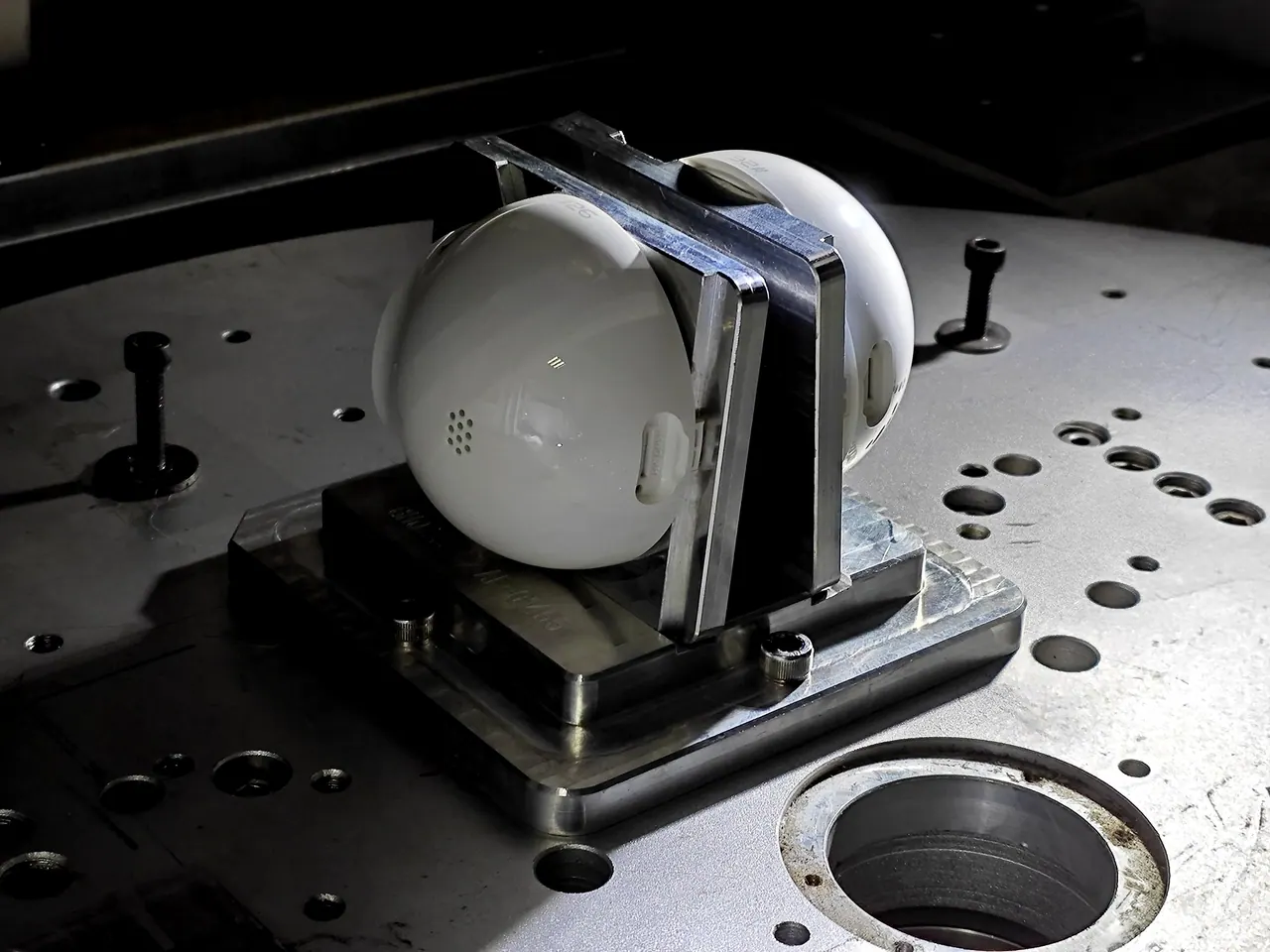
A perfect‑looking circular form is built from the inside out. Throughout those two‑plus years, countless tests and design cycles circled back to one core goal: to realise both circuit board and enclosure geometry, accommodate audio output and heat dissipation, and finalise the right surface aesthetic from dozens of options.
Custom Circular PCB & Enclosure Mechanical Design
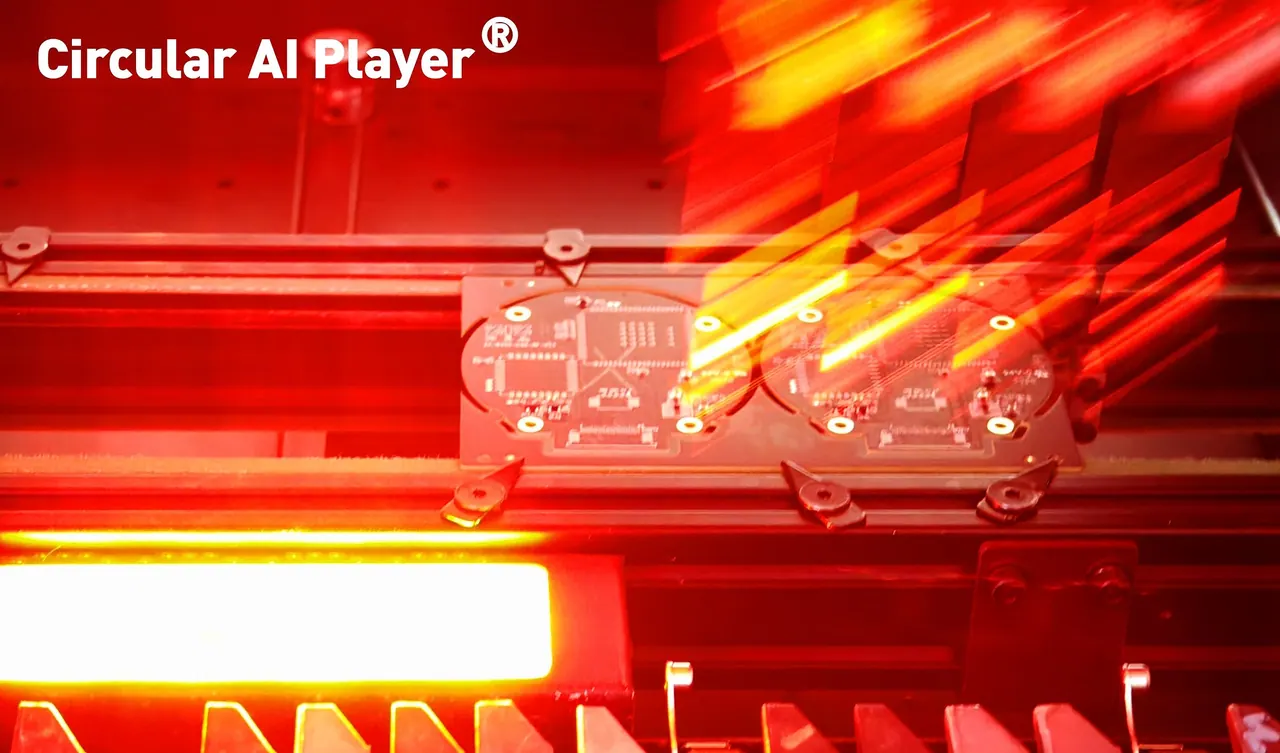
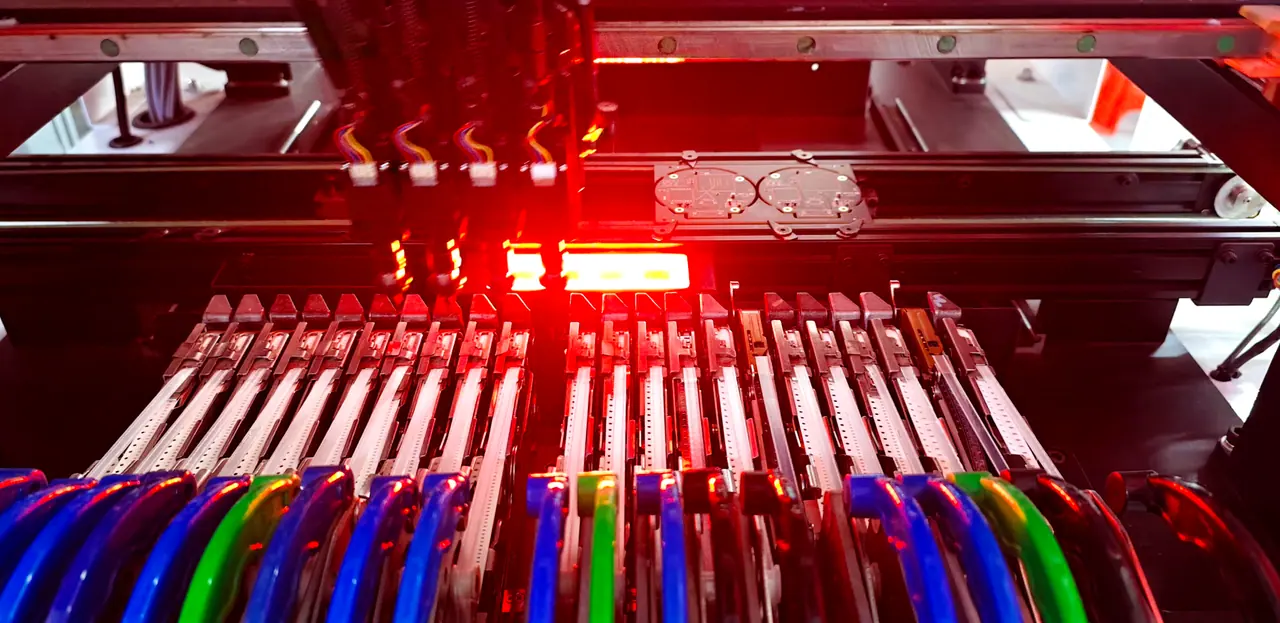
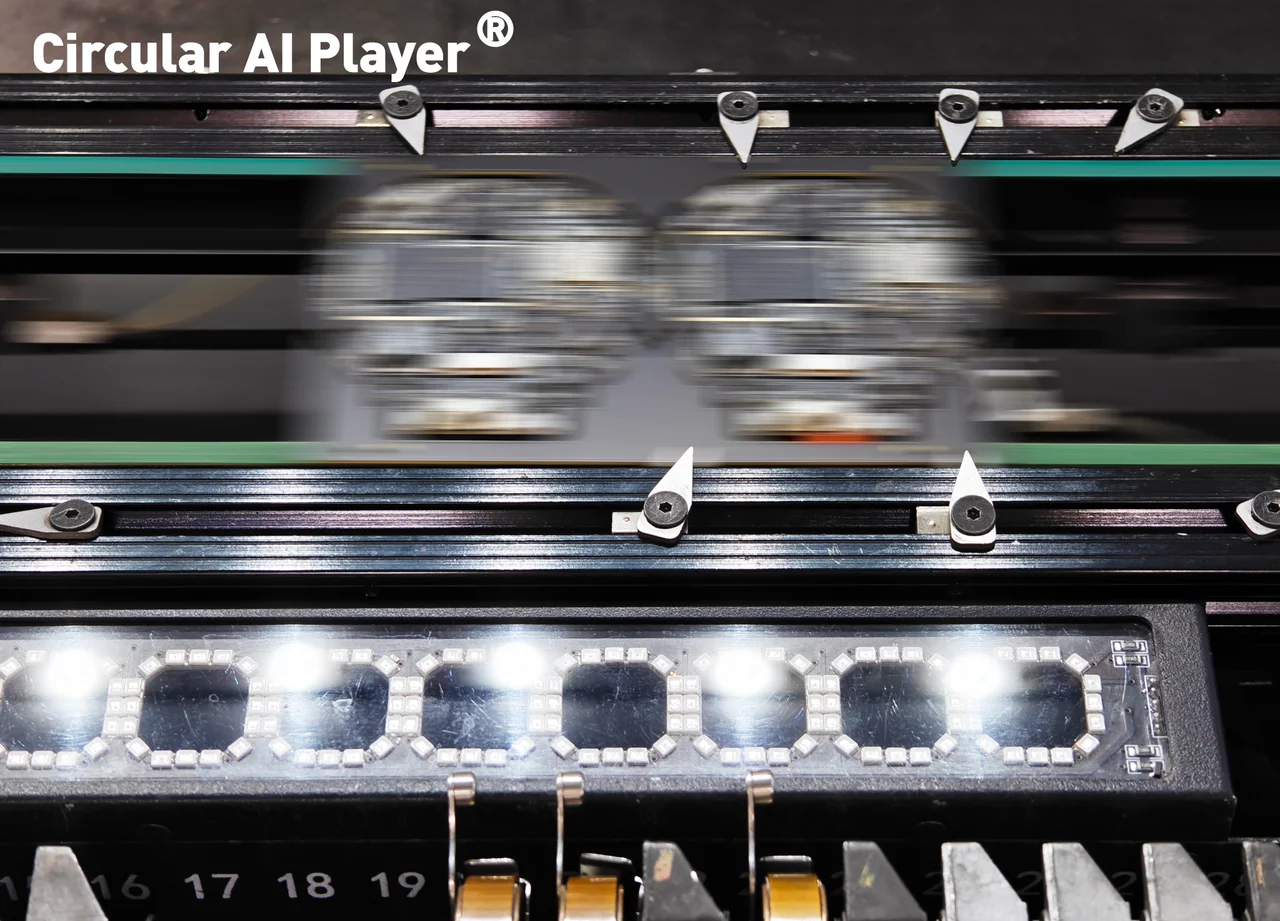
We engineered the round circuit board in‑house. On the production line, reels of electronic components feed onto these bespoke circular PCBs. The circle first takes shape at the board level; mechanical design then wraps it within an enclosure.
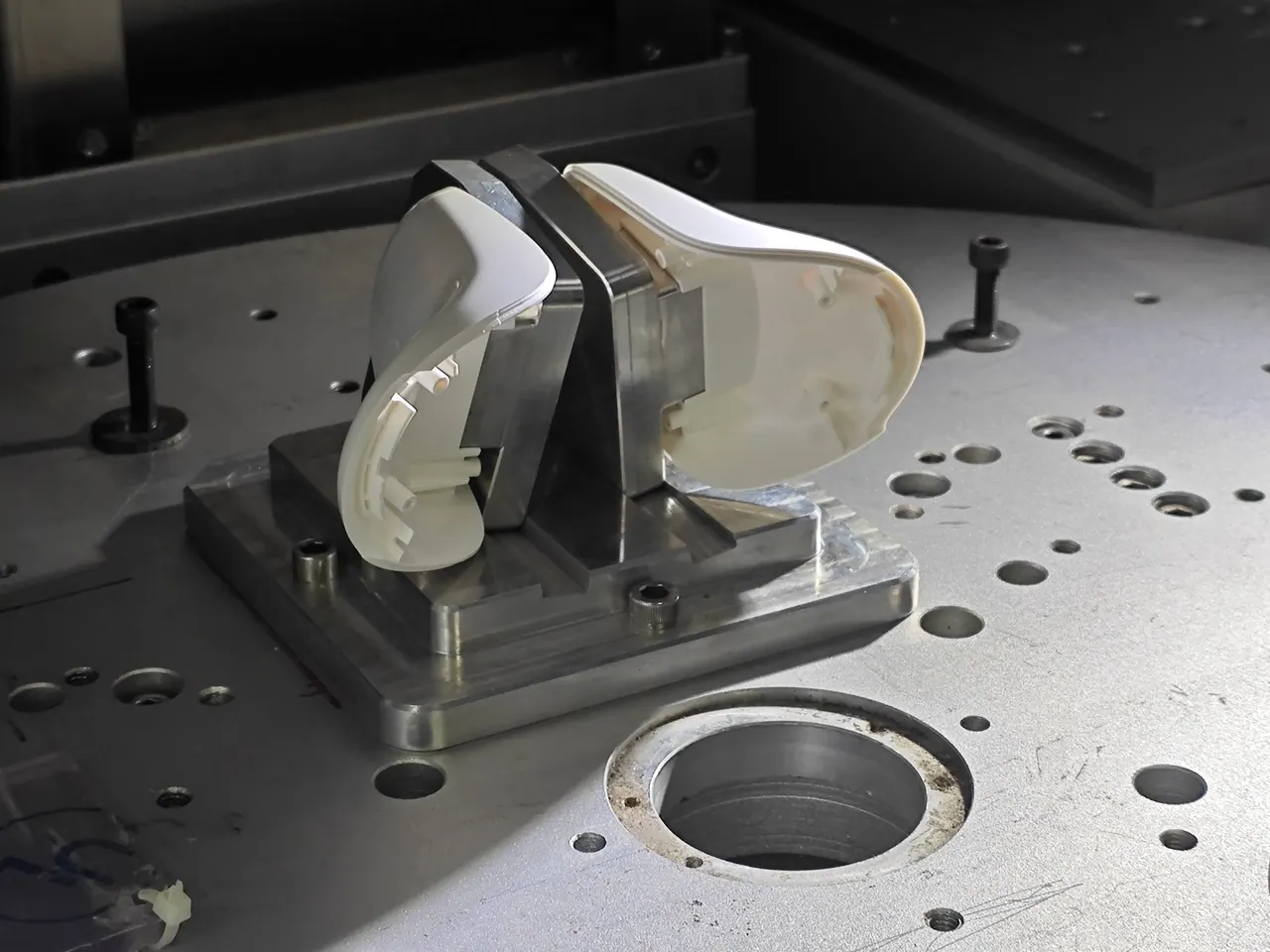
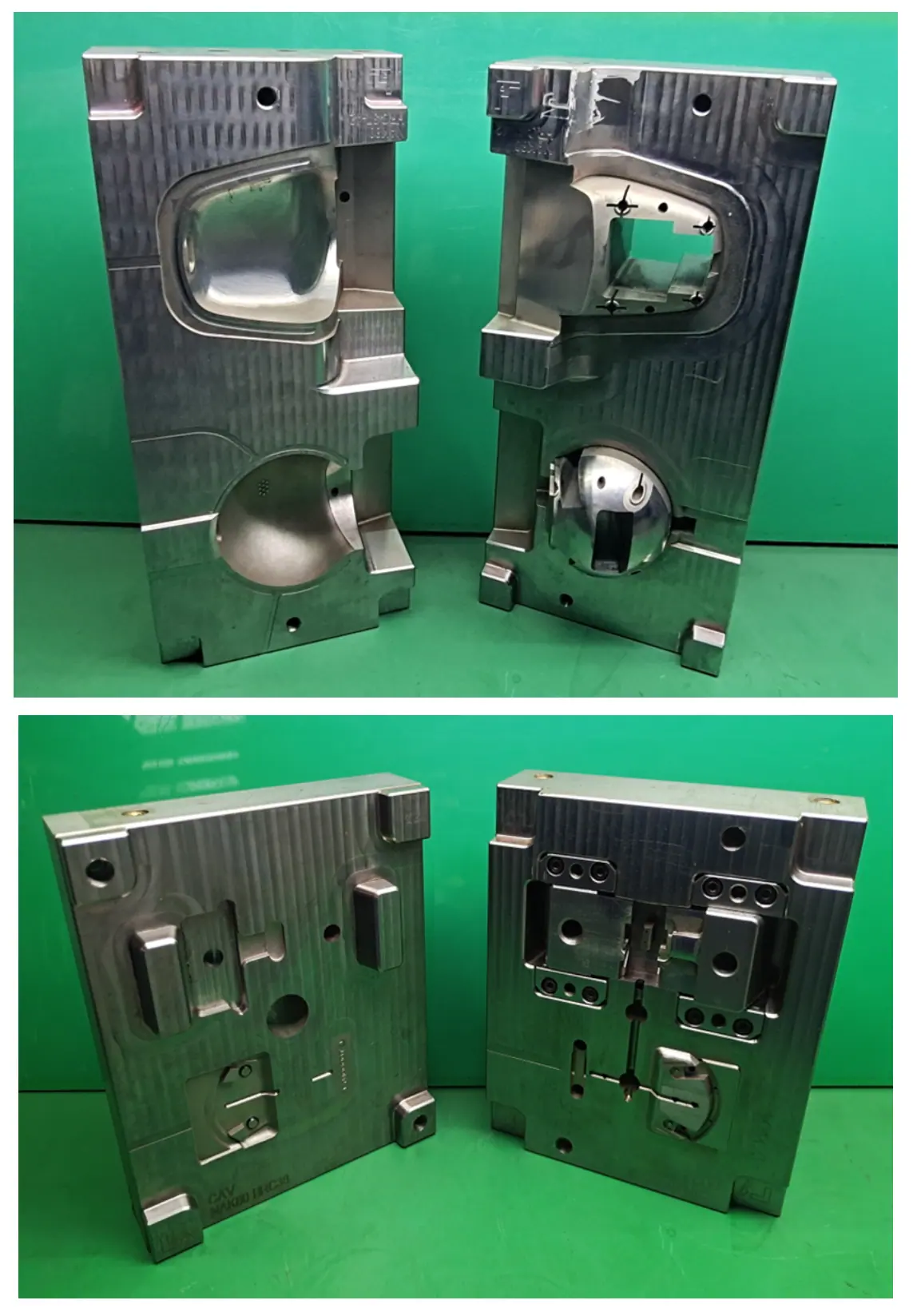
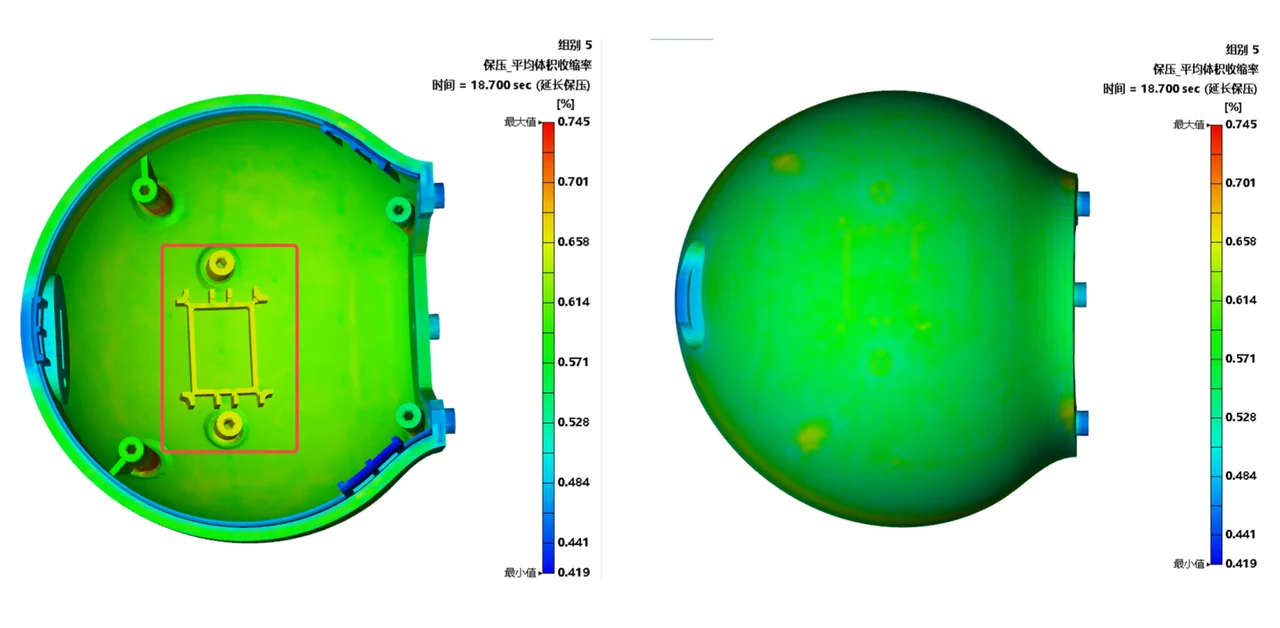
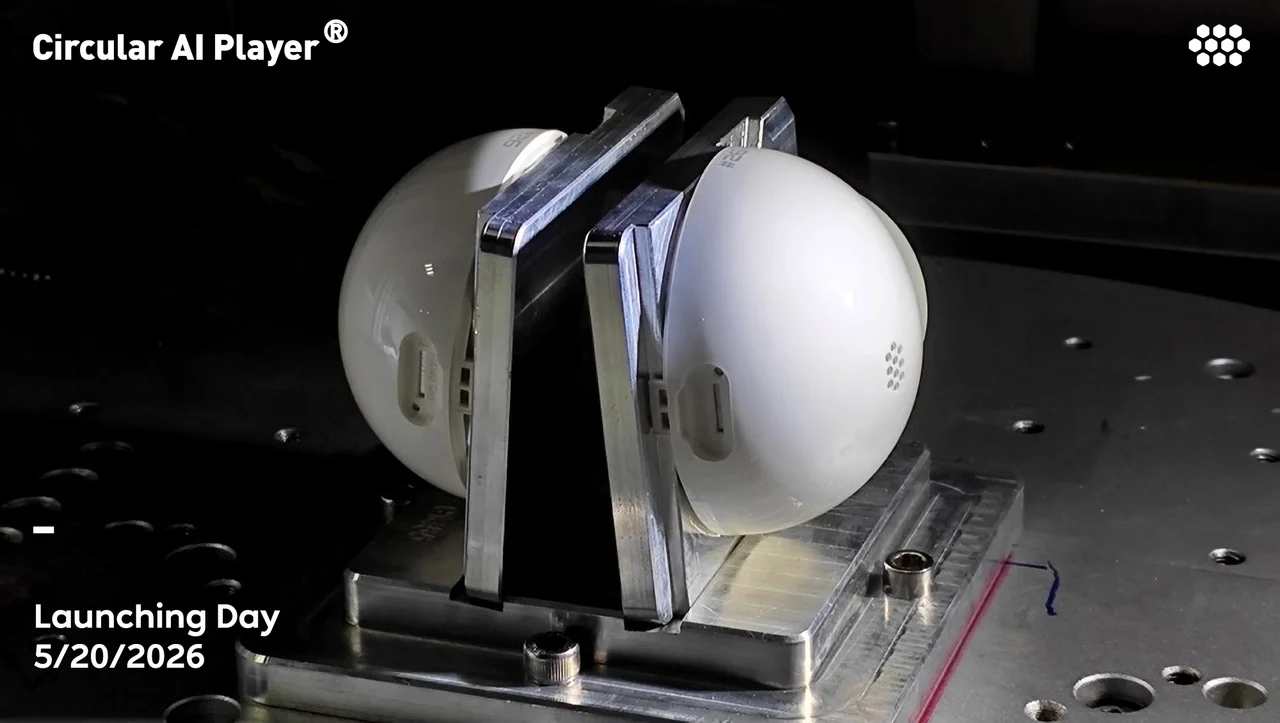
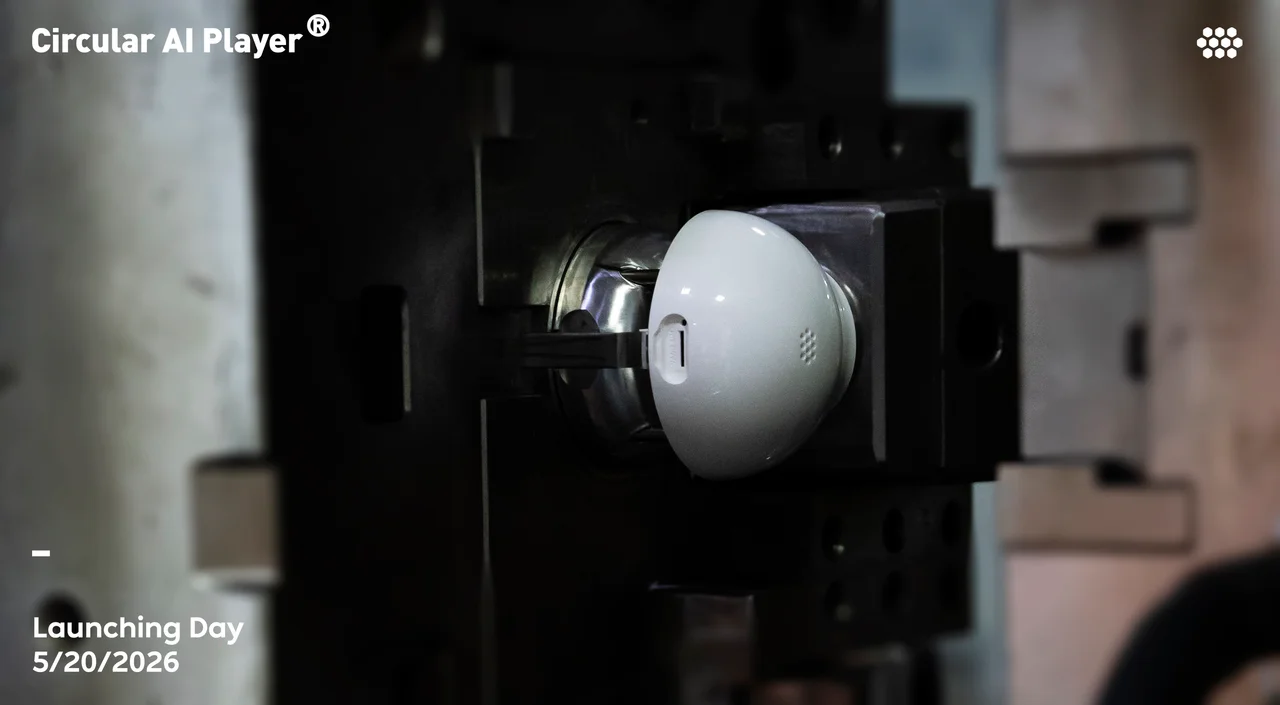
The metal cavity precisely follows the outer circular contour. Opened‑up white housings in the fixture reveal internal ribs and mating features: a seamless continuous arc on the outside, with assembly‑optimised details hidden within. Mould‑flow simulations analysed volumetric shrinkage during injection moulding, predicting exactly how the circular form would materialise. Fixture‑held prototypes and mould cavities serve one shared purpose: delivering a finished outer shell paired with a fully assemble‑ready interior. Board development and enclosure design advanced hand‑in‑hand across the whole development cycle.
Acoustic Tuning and Thermal Management Engineering
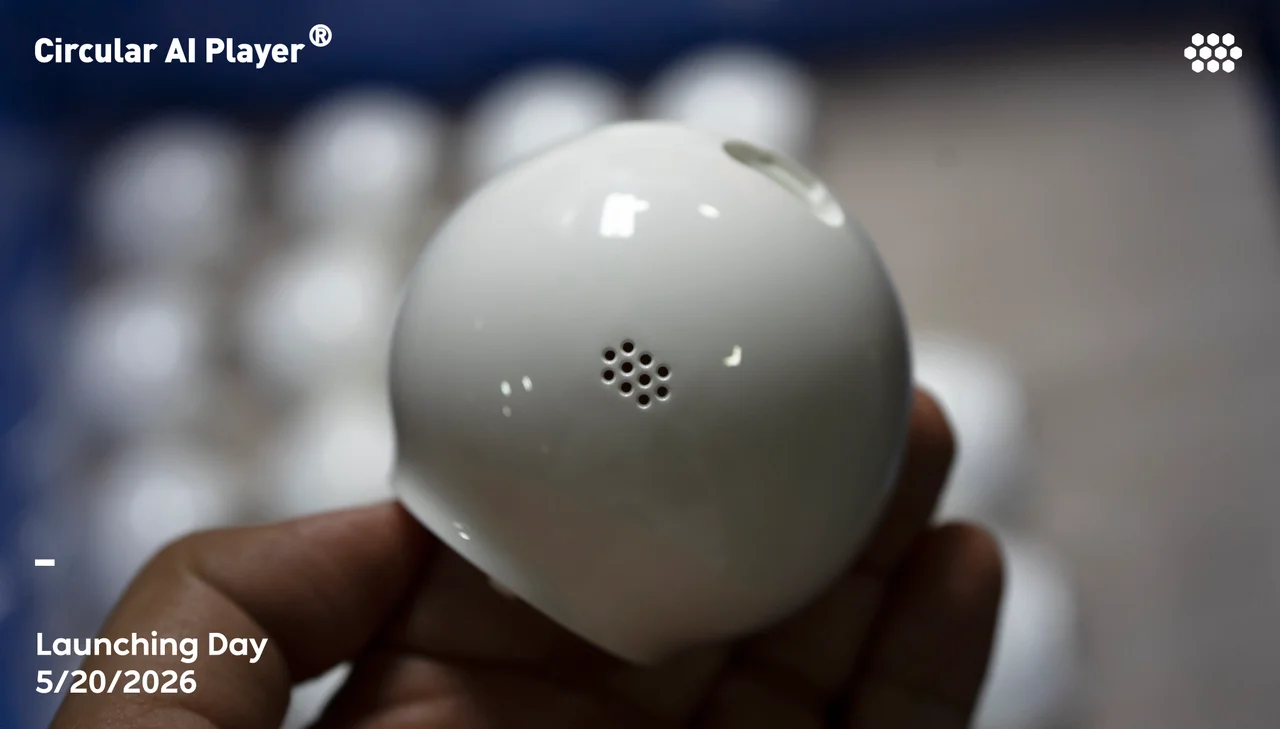
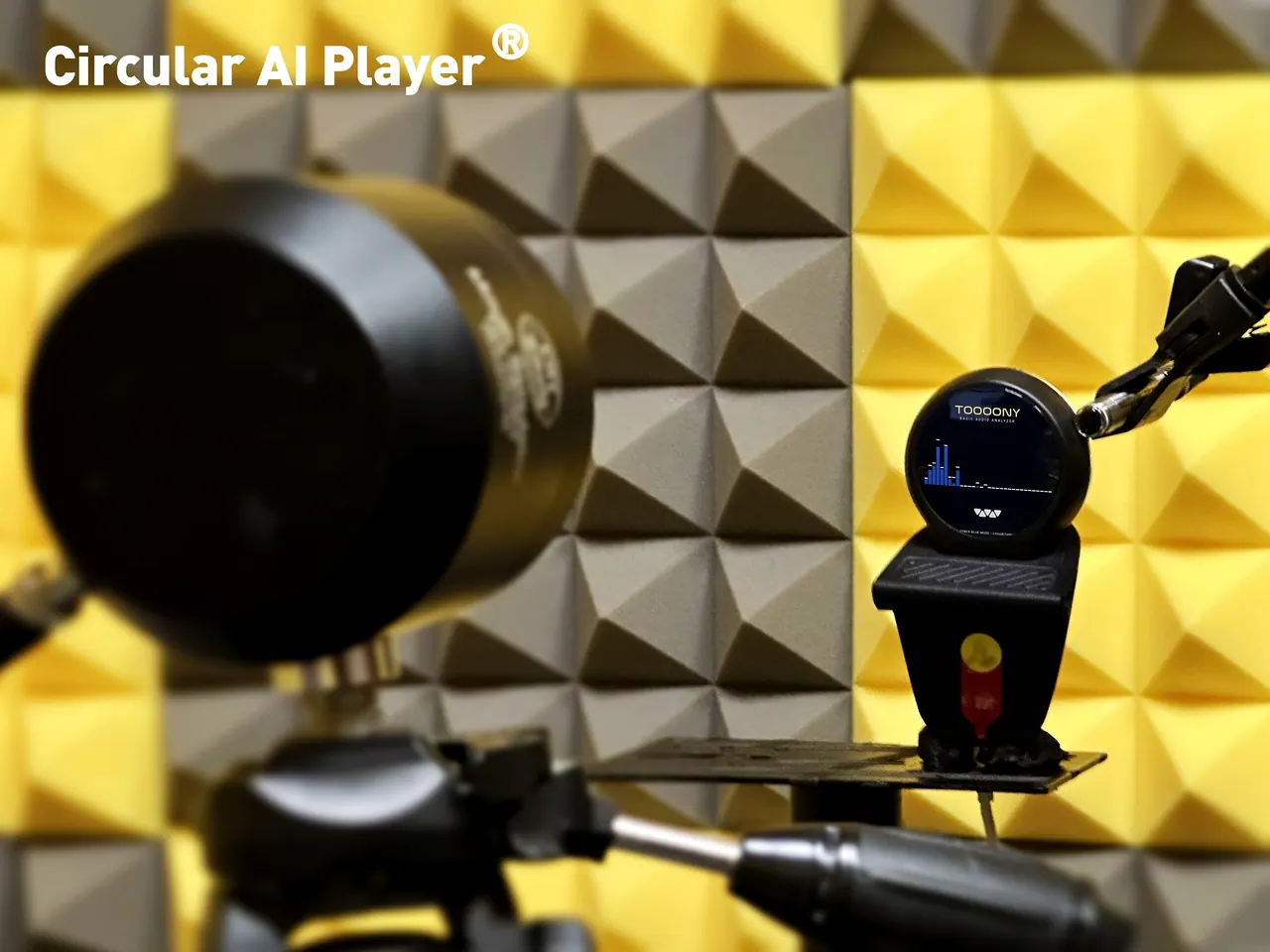
Sound needs a clear escape path out of the enclosure, provided by carefully engineered structural openings. Over the multi‑year development cycle, acoustic validation took place in test set‑ups lined with sound‑absorbing foam, with microphones and measuring instruments aimed directly at our circular prototype.
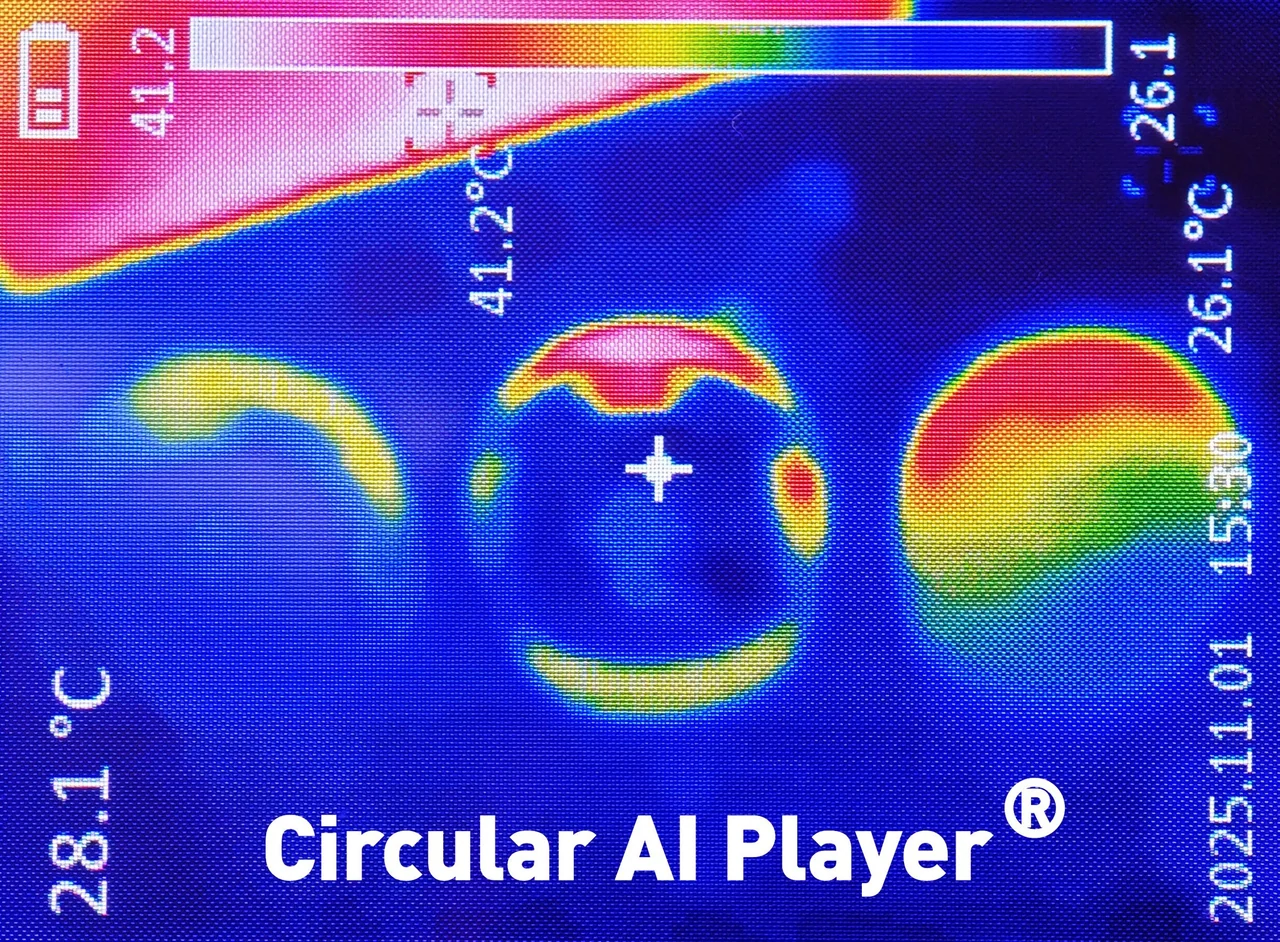
Thermal performance received equal attention. Thermal‑imaging captures document heat distribution across the round chassis. We treated enclosure sealing, internal assembly routing, audio outlet placement and heat dispersion as interconnected constraints, optimising them as a unified system.
Surface Finish Iterations: From Experimental Samples to Launch Colors
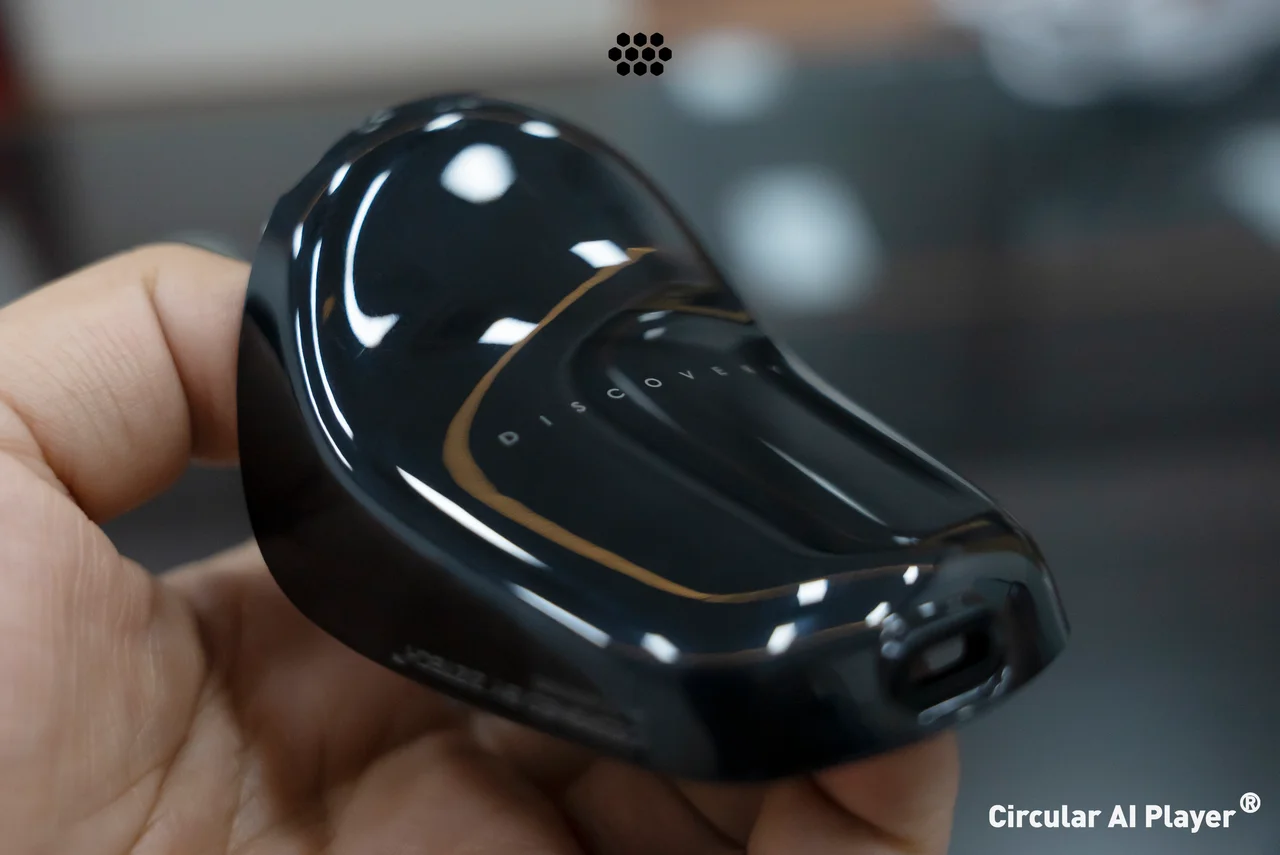
Surface finish defines how users perceive the round screen — and our starting palette was far broader than the final release options. Beyond black and white, our team explored experimental yellow, translucent and other prototype finishes. These physical shell samples were laid side‑by‑side to compare texture, gloss and visual character; none of these experimental tones made it to commercial release. Following extensive evaluation, black and white were selected as our first shipping variants.
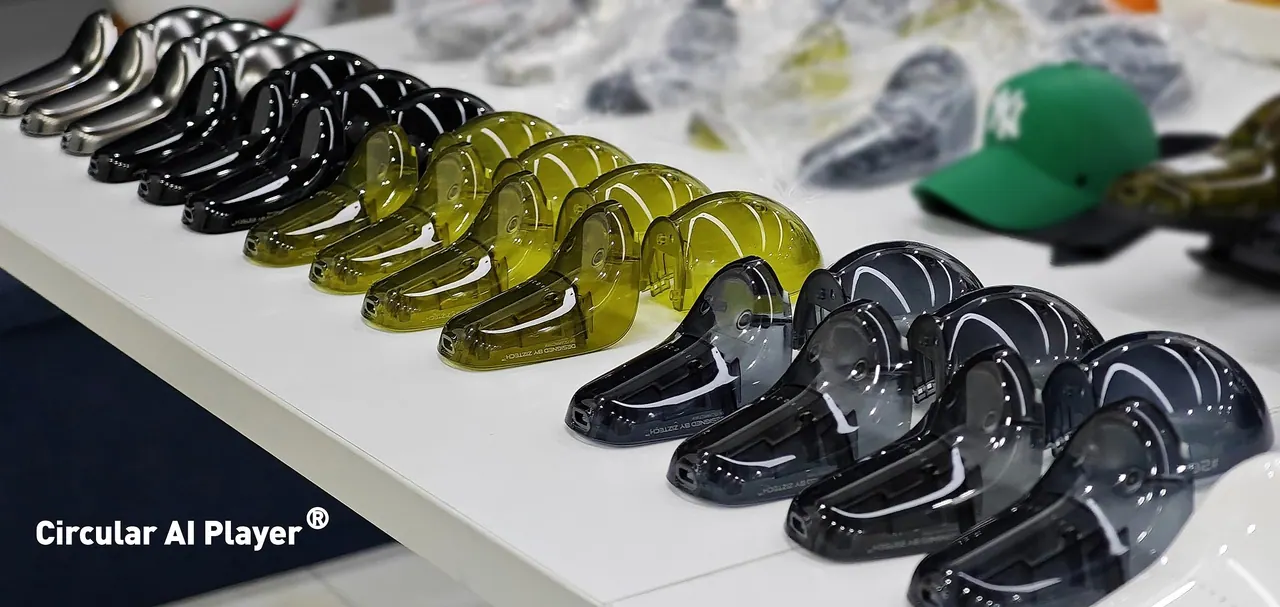
After more than two years of work, the round screen debuted in black and white.
TOOOONY © 2026